
Expert tips
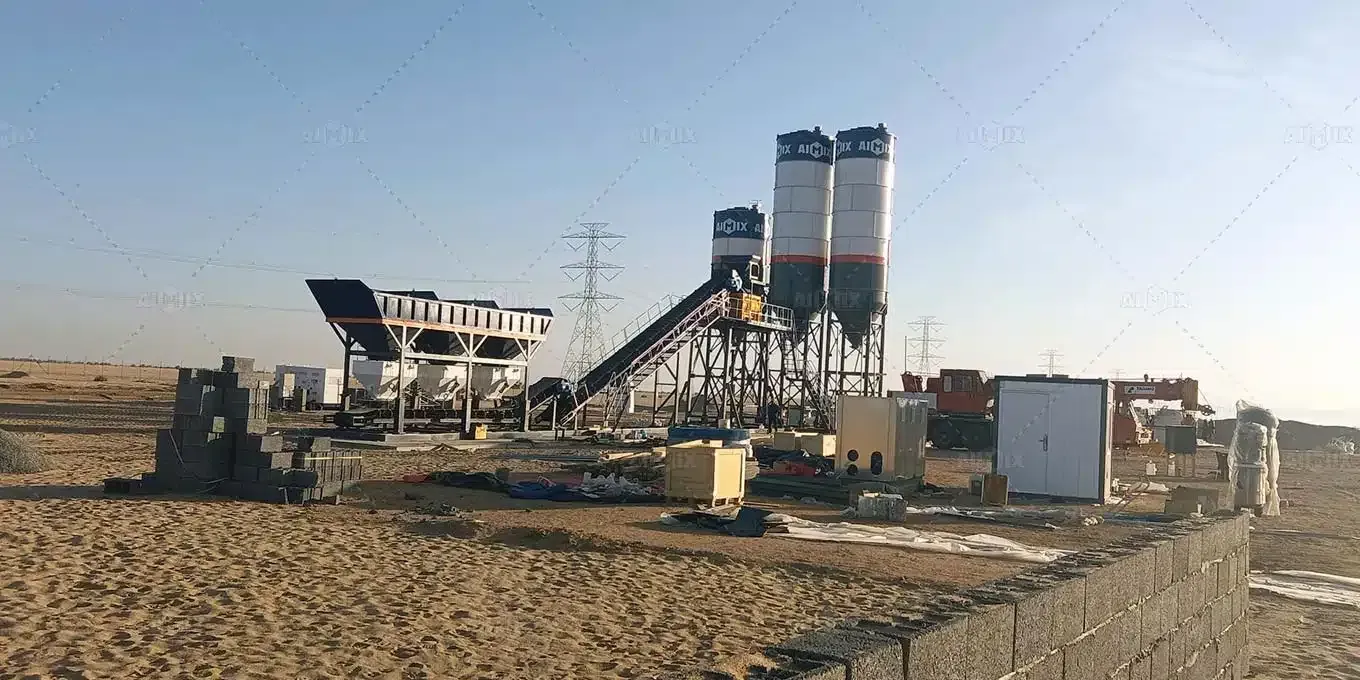
The concrete batching plant is a symphony of coordinated movements. Aggregate bins discharge, conveyor belts transfer, weigh hoppers calibrate, mixers rotate. When every component performs in sequence, production flows. But when a single element fails—a gate that doesn't close, a bearing that overheats, a belt that misaligns—the entire operation stops. Downtime at a stationary concrete batching plant costs between $500 and $5,000 per hour depending on the project's scale and penalties. Traditional maintenance approaches rely on scheduled inspections or reactive repairs after failure. Both methods accept interruptions as inevitable. A newer approach eliminates that fatalism. Smart sensors embedded throughout the plant provide continuous condition monitoring, predicting failures before they occur. This article investigates how five specific sensor technologies are transforming batching plant reliability. Vibration Monitoring on Mixer Bearings and Conveyor Drives The most common failure mode in batching plants is bearing degradation. Mixer bearings endure radial and axial loads with every rotation. Aggregate dust penetrates seals. Lubrication breaks down under heat. The bearing's raceways develop spalls—microscopic cracks that propagate into macroscopic failure. Traditional maintenance cannot detect spalls until they produce audible noise or heat. By then, the bearing is hours from seizure. Accelerometer Arrays and Spectral Analysis Smart vibration sensors use MEMS accelerometers sampling at 20 kHz or higher. Each sensor transmits velocity and acceleration data to a local gateway every few seconds. The analysis software performs Fast Fourier Transform (FFT) on the vibration signal, converting time-domain data into frequency spectra. Healthy bearings produce specific harmonic frequencies based on ball pass frequency (BPF) calculations. When spalls develop, sidebands appear around these harmonics. The system flags increasing sideband amplitudes as early warning indicators. One German ready-mix operator installed accelerometers on eight mixer bearings after experiencing three catastrophic failures in six months. Within two weeks, the system flagged bearing number four with 85% confidence of inner race spalling. Maintenance scheduled a replacement during a planned weekend shutdown. The disassembled bearing showed a 12-millimeter spall that would have caused seizure within forty operational hours. The sensor investment of $4,200 prevented a $47,000 failure including replacement parts, emergency labor, and lost production. Envelope Detection for Low-Speed Applications Conveyor drive bearings rotate slowly—often below 100 RPM. Standard vibration analysis struggles at these speeds because impact energy dissipates rapidly. Smart sensor systems employ envelope detection (also called demodulation), a signal processing technique that extracts high-frequency resonances excited by bearing impacts. The filtered signal reveals repetitive impulses even at sub-10 RPM speeds. This capability is critical for screw conveyor supports and tail pulley bearings, both common failure points in aggregate handling systems. Gate Position Feedback and Hopper Level Sensing Partial gate openings produce erratic batching cycles. A cement gate that closes 90% instead of 100% allows material to trickle into the weigh hopper after batching completes. The operator either accepts inaccurate weights or initiates a time-consuming purge cycle. Traditional limit switches only confirm full closure—they cannot detect partial closure or jamming caused by foreign objects. Smart sensors solve this limitation. Inductive Proximity Sensors with Analog Output Standard inductive sensors provide binary output: target present or absent. Smart analog inductive sensors measure the distance to the gate plate continuously, reporting values from 0 to 10 volts or 4 to 20 milliamps. The control system monitors this analog signal during gate operation. A gate that reaches full closure in 1.2 seconds normally but takes 3.5 seconds indicates debris accumulation on the gate plate or a worn actuating linkage. The system alerts maintenance before the gate fails completely. Sensor cost per gate runs $150 to $300—negligible compared to a half-day of downtime. Guided Wave Radar for Bin Level Measurement Aggregate bins and cement silos require accurate level measurement to prevent overfills (which damage bin tops) and underfills (which starve the batching cycle). Traditional ultrasonic sensors fail in dusty environments, returning erratic readings. Guided wave radar (GWR) sensors transmit a low-energy electromagnetic pulse along a steel cable or rod extending into the bin. The pulse reflects from the material surface, and the sensor calculates distance based on time-of-flight. Dust, temperature variations, and material density changes do not affect GWR accuracy. A Spanish precast plant experienced repeated cement silo overfills because their ultrasonic sensors reported false low levels during filling. Each overfill required eight hours of manual cleaning and cost €12,000 in lost material and labor. Replacement with GWR sensors eliminated all overfill incidents over 18 months of operation. The payback period was three weeks. Current Monitoring for Motor Health and Jog Detection Electric motors drive every moving component in a stationary batching plant . A motor drawing excessive current indicates mechanical binding or impending failure. A motor drawing insufficient current suggests belt slip or coupling wear. Traditional ammeters require operator observation—a task easily missed during busy production shifts. Smart current monitoring automates the observation. Three-Phase Current Transformers with Edge Processing Smart current monitoring uses three current transformers (CTs) clamped around each motor's supply cables. The connected edge device samples current at 1 kHz, calculating RMS values for each phase while also performing harmonic analysis. The system learns baseline current profiles during normal operation—a 45 kW mixer motor drawing 78 amps during loaded mixing, 22 amps during empty rotation. When current deviates beyond programmed thresholds (typically ±15% of baseline), the system generates alerts with severity ratings. Harmonic analysis reveals additional failure modes. A motor developing rotor bar cracks produces sidebands around the 50 Hz fundamental frequency at specific slip-related intervals. The edge device detects these sidebands using digital signal processing algorithms, identifying rotor faults weeks before they cause motor failure. One US contractor reported saving $180,000 annually by replacing motors on scheduled outages rather than after catastrophic winding failures. Jog Detection for Conveyor Belting Conveyor belts experience "jogging"—brief interruptions in motion caused by material buildup on return rollers or seized idler bearings. Jogging produces characteristic current spikes as the belt tension increases, slips, then re-engages. Operators rarely notice intermittent jogging, but the cumulative effect accelerates belt wear and splice degradation. Smart current monitors detect jogging events by analyzing the current waveform's derivative. A sudden current drop followed by rapid recovery indicates belt slip. The system logs each event with timestamp and duration. Maintenance receives a weekly report showing jogging frequency per conveyor, enabling targeted roller inspection and cleaning. Water Flow and Admixture Meter Verification Water meters and admixture flow sensors drift over time. Mechanical turbine meters accumulate wear on their bearings, causing under-registration. The operator unknowingly adds excess water to achieve target slump, compromising strength. Smart verification systems compare flow meter readings against secondary measurement methods. Coriolis Mass Flow Meters Traditional water meters measure volumetric flow. Coriolis meters measure mass flow directly by sensing the Coriolis force exerted on vibrating tubes. The meter provides simultaneous mass flow, density, and temperature readings. For batching plant applications, the density measurement confirms that the fluid is water (density 1,000 kg/m³) rather than entrained air (which would indicate cavitation) or contamination. The smart system compares the Coriolis reading against the primary meter. Deviation exceeding 2% triggers a recalibration alert. A Belgian batching plant discovered that their primary water meter was under-registering by 8% after five years of service. The Coriolis verification system flagged the deviation during a routine midnight self-check. Recalibration restored accurate water dosing, reducing cement consumption by 6% (since excess water required additional cement to maintain strength). The annual savings in cement alone exceeded €45,000. Ultrasonic Clamp-On Flow Verification Admixture lines carry aggressive chemicals that corrode traditional flow meters. Ultrasonic clamp-on meters attach to the outside of the pipe, using transit-time differences to calculate flow without contacting the fluid. The smart system activates the ultrasonic check periodically during plant idle time, comparing its reading to the primary admixture meter. Discrepancies trigger alerts before production batches are affected. This non-invasive verification extends meter life and reduces maintenance exposure to hazardous chemicals. Data Integration and Predictive Algorithms Individual sensors generate alerts. Integrated sensor networks enable prediction. Modern concrete batching plants for sale deploy edge gateways that collect data from all sensors and transmit it to cloud-based analytics platforms. Machine learning models trained on historical failure patterns identify combinations of sensor readings that precede failures. For example, increased vibration on a screw conveyor bearing plus elevated current on the drive motor plus below-normal aggregate flow from that bin indicates a specific failure mode: material bridging in the bin causing intermittent loading. The prediction algorithm issues a maintenance recommendation with 92% confidence and an estimated 48-hour window before critical failure. Economic Impact of Predictive Integration A 2023 study of 45 batching plants across Europe and North America compared plants with smart sensor integration against those without. Integrated plants experienced 72% fewer unplanned stoppages. Their mean time between failures (MTBF) increased from 187 hours to 623 hours. Annual maintenance costs dropped by 41% as emergency repairs (which carry 3x higher labor costs than scheduled repairs) nearly disappeared. The average return on investment for smart sensor retrofits was 11 months. For new plants, the incremental cost of specifying smart sensors at manufacture is typically recovered within the first six months of operation. Implementation Roadmap for Existing Plants Retrofitting an existing plant requires a phased approach. Phase one targets critical rotating equipment: mixer bearings, conveyor drives, and elevator head pulleys. Phase two adds gate position feedback and bin level sensing. Phase three implements current monitoring on all motors above 15 kW. Phase four integrates water and admixture verification. Each phase delivers immediate value while building toward full predictive capability. Early adopters report that phase one alone reduces downtime by 40-50%, providing the confidence and funding for subsequent phases. The technology is proven. The economics are compelling. The question is no longer whether to adopt smart sensors, but when.
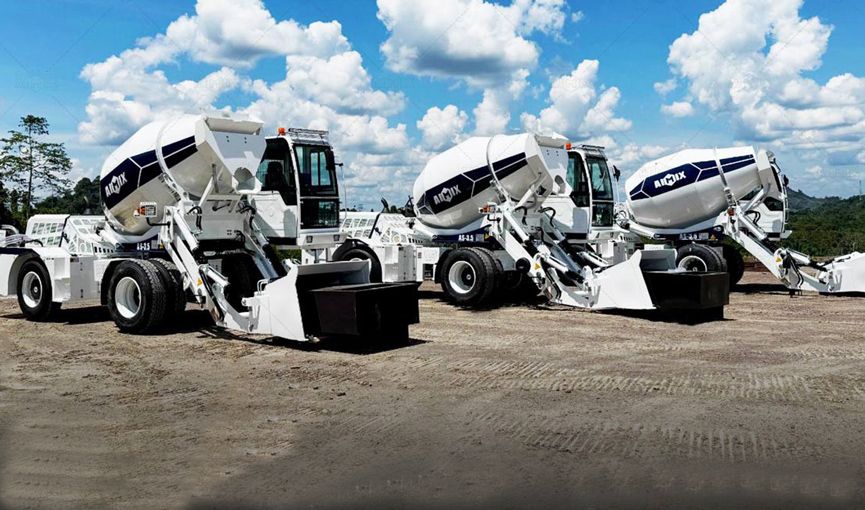
Dust and Cooling Fins: The Small Construction Details That Keep Self Loading Mixers Running in Dubai
Dubai's construction sites are not forgiving environments. Temperatures exceed 45 degrees Celsius for five months of the year. The air carries suspended silica dust from nearby desert terrain. Under these conditions, self loading concrete mixer fail differently than they do in temperate climates. The problems are rarely catastrophic. No single bearing explodes. No hydraulic line bursts dramatically. Instead, performance degrades incrementally. The engine runs hotter each week. The hydraulic oil darkens prematurely. The drum rotation slows. Experienced fleet managers in the Emirate have learned that survival depends not on major components but on small construction details—dust sealing, cooling fin density, and thermal management of auxiliary systems. This investigation examines those details and explains why they determine whether a mixer lasts five years or five months in Dubai. The Dust Intrusion Problem Silica dust measures between 1 and 100 microns. For context, a human hair is 70 microns thick. These particles float through the air and settle on every horizontal surface. When a self loading mixer operates, its engine cooling fan pulls air through the radiator. That same fan pulls dust toward the engine bay. Without proper sealing, the dust infiltrates electrical connectors, alternator windings, and hydraulic tank breathers. The results are predictable: intermittent electrical faults, charging system failures, and hydraulic fluid contamination. Breather Filtration Specifications The hydraulic tank requires atmospheric venting. As oil heats and cools, air moves in and out of the tank. Standard breather caps use a simple mesh filter, adequate for European construction sites but insufficient for Dubai. The mesh stops particles above 40 microns. Desert dust passes through freely. Once inside the tank, dust mixes with hydraulic oil, forming an abrasive slurry that wears pump pistons and valve spools. The professional specification for Dubai calls for a breather with a 3-micron absolute filter element and a built-in pressure relief valve. This component costs $45 instead of $12. The difference is the lifespan of the entire hydraulic system. Some manufacturers install the superior breather by default on units destined for the Middle East. Others do not. Buyers must verify the breather specification before accepting delivery. One contractor in Dubai's Al Quoz industrial area recently rejected three new mixers because the supplier had installed standard breathers despite promising otherwise. The supplier replaced them at their own cost—a $2,000 concession that prevented an estimated $30,000 in future hydraulic repairs. Electrical Enclosure Sealing The control panel houses the PLC, relays, and terminal blocks. Dust inside this enclosure causes intermittent connections. A relay with dust-contacted pins may fail to close, stopping the entire mixing cycle. The operator resets the system. The cycle repeats. Productive time disappears. The solution is an enclosure rated IP66—dust-tight and protected against powerful water jets. Many mixers ship with IP54 enclosures, which resist dust ingress but do not prevent it entirely. In Dubai's conditions, IP54 enclosures require internal cleaning every 200 operating hours. IP66 enclosures require cleaning never. Beyond the enclosure rating, the cabinet must maintain positive pressure. A small filtered fan pushes clean air into the enclosure, preventing dust from entering through cable entry points. This feature adds $300 to the machine cost. Contractors who skip it pay that $300 every three months in technician labor to clean control panels. One Dubai-based fleet operator documented an average of eight hours per month per machine spent troubleshooting dust-related electrical faults before retrofitting pressurized enclosures. After the retrofit, faults dropped to near zero. Cooling Fin Density and Thermal Management Heat is the second enemy. Every component generates heat. The engine, the hydraulic pump, the drum drive motor, and the alternator all reject thermal energy into the engine bay. If that energy cannot escape, component temperatures rise. Hydraulic oil above 80 degrees Celsius loses viscosity and lubricity. Engine coolant above 105 degrees causes head gasket failure. The cooling system must be oversized for Dubai's ambient temperatures. Radiator Core Specifications Standard radiators have fin densities of 12 to 14 fins per inch. This density provides adequate cooling in temperate climates but clogs rapidly with dust in Dubai. The dust bridges between fins, creating an insulating blanket that blocks airflow. A radiator with 8 to 10 fins per inch offers less surface area for dust accumulation and tolerates longer intervals between cleaning. The tradeoff is reduced cooling capacity at the same core size. To compensate, Dubai-spec machines use deeper cores—four rows of tubes instead of three—and larger cooling fans that move more air at lower speeds. Manufacturers who supply the Middle East market regularly offer these "desert cooling" packages. The cost premium is typically $1,500 to $3,000. Buyers who decline this premium to save money often regret the decision within the first summer. One contractor purchased six concrete mixers Dubai without the desert cooling package, believing regular cleaning would suffice. During July, each machine required radiator cleaning every three days. The labor cost exceeded the upfront premium within eight weeks. Hydraulic Oil Cooler Placement The hydraulic oil cooler should never sit directly behind the radiator. This common configuration forces air heated by the radiator (now at 60-70 degrees Celsius) through the oil cooler, providing minimal temperature reduction. The correct configuration places the oil cooler in parallel with the radiator or mounts it separately with its own electric fan. The parallel arrangement adds manufacturing complexity and cost—approximately $800 per machine—but reduces hydraulic oil temperatures by 15 to 20 degrees compared to the series arrangement. Lower oil temperatures extend pump life from 4,000 hours to 8,000 hours. Field measurements from a Dubai precast yard illustrate the difference. Machines with series coolers showed hydraulic oil temperatures averaging 88 degrees Celsius during summer operation. Machines with parallel coolers averaged 71 degrees. The cooler-running machines required no hydraulic component replacements over 6,000 operating hours. The series-cooler machines experienced three pump failures and two valve block replacements over the same period. The repair costs exceeded $25,000 per machine. Air Intake Filtration Redundancy The engine requires clean air for combustion. A single-stage air filter stops particles down to 5 microns. In Dubai's dust events, this filter clogs within 40 hours. The engine then starves for air, losing power and increasing fuel consumption. Dual-stage filtration solves this problem. A cyclonic pre-cleaner spins incoming air, throwing heavy dust particles outward into a collection cup. Only pre-cleaned air reaches the main filter element. The pre-cleaner extends main filter life to 250 hours or more. Pre-Cleaner Sizing and Maintenance Not all pre-cleaners perform equally. The collection cup must be transparent or have a sight glass to allow visual inspection. Some manufacturers install opaque cups, requiring the operator to remove the cup for inspection—a task that gets deferred until the main filter clogs. Transparent cups cost $15 more. Operators can see the dust level at a glance and empty the cup when it reaches one-third full. This simple detail prevents 90% of filter clogging events. The pre-cleaner must also include a dust evacuation valve. This rubber diaphragm opens under vacuum, ejecting accumulated dust automatically. Without this valve, the operator must empty the cup manually every shift—a task that is often forgotten. The combination of transparent cup and evacuation valve creates a self-maintaining system that requires attention only every 100 operating hours. Machines lacking these features demand daily operator intervention. In Dubai's labor environment, daily intervention means daily neglect. Engine Breather Rerouting The engine crankcase breather vents gases from inside the engine. In standard configuration, these gases exit near the engine block, drawing dusty air into the breather tube through convection. The ingested dust accelerates ring and cylinder wear. The solution reroutes the breather to the air intake pre-cleaner. The engine then draws filtered air through the breather, not dusty engine bay air. This modification costs $50 in hoses and fittings. The return on investment is an additional 3,000 hours of engine life before the first overhaul. Contractors who understand this detail specify it in their purchase orders. Those who do not discover it during post-failure teardowns. The Verdict on Small Details Self loading mini concrete mixers running in Dubai survive or fail based on small construction details. The breather filter, the enclosure rating, the radiator fin density, the oil cooler placement, and the air intake configuration collectively determine machine lifespan. These details add $3,000 to $8,000 to the purchase price of a $70,000 to $120,000 machine. Buyers who approve these additions receive equipment that operates reliably through five Dubai summers. Buyers who delete them to save upfront capital receive equipment that spends its first summer in the repair bay. The choice is clear. The details are not optional. They are the difference between a tool and a liability.
The mini concrete pump market has exploded in recent years. Chinese manufacturers now dominate the global supply, offering machines at prices that European brands cannot match. Yet contractors remain wary. A $12,000 pump that fails after two weeks costs more than a $20,000 pump that runs for five years. The concrete pump price tag, in isolation, reveals almost nothing about the machine's true value. Conversations with a dozen contractors across the United States, Australia, and the United Kingdom reveal a consistent set of anxieties. These buyers are not simply looking for the lowest number. They are trying to avoid catastrophic downtime, unplanned repair bills, and the frustration of dealing with distant suppliers who vanish after the sale. This article investigates the specific worries that drive mini concrete pump purchasing decisions—and how savvy buyers address them. 1. The Fear of Hydraulic Component Failure The hydraulic system is the heart of a concrete pump. It converts diesel or electric power into the pressure that pushes concrete through the delivery line. When the hydraulic pump fails, the machine stops completely. Replacement pumps from premium brands cost $1,500 to $3,000. Labor adds another $500 to $1,000. A buyer who saves $3,000 on the initial purchase price by accepting an unbranded hydraulic pump risks spending that entire saving on a single repair. 1.1 Brand Transparency and Counterfeit Risks Reputable mini pump manufacturers specify the brand of every hydraulic component. A typical specification sheet lists the main pump brand (Rexroth, Kawasaki, or Sunfab), the gear pump brand (Marzocchi or Casappa), and the valve brand (Hydraforce or Sun Hydraulics). Lower-priced competitors omit these details, describing components simply as "imported" or "high-quality." Buyers worry that these vague descriptions hide either counterfeit parts or unbranded Chinese components with unknown reliability. One Australian contractor shared his experience. He purchased twelve mini concrete pumps from a Guangzhou-based supplier, attracted by a price $4,000 below the nearest competitor. The hydraulic pumps failed on eight units within the first 500 operating hours. When he disassembled the failed pumps, he found castings with rough internal passages that restricted oil flow. The supplier had used recycled aluminum for the pump housing, which flexed under pressure and allowed internal leakage. The contractor spent $18,000 replacing pumps and lost another $40,000 in rental revenue while the machines sat idle. The initial saving evaporated completely. 1.2 Cooling Capacity and Overheating Risk Mini concrete pumps operate in hot environments. Ambient temperatures above 35°C are common in summer. The hydraulic oil temperature must stay below 80°C to maintain viscosity and prevent seal degradation. Buyers worry that cheaper pumps compromise on oil cooler size. A correctly sized cooler has a large finned surface area and a thermostatically controlled fan. Undersized coolers allow oil temperature to climb past 95°C, at which point the oil oxidizes, turns black, and loses its lubricating properties. Premature pump wear follows within weeks. The professional buyer measures the oil cooler's surface area and compares it against the pump's hydraulic horsepower. A mini pump with 30 kW of hydraulic power requires a cooler with at least 0.8 square meters of fin area. Suppliers who cannot provide this specification are likely using coolers salvaged from smaller machines. One English buyer discovered that his "bargain" pump used a cooler meant for a 15 kW system. The machine overheated after forty-five minutes of continuous operation, limiting him to short pours. He eventually added an external cooler at his own expense, adding $800 to his total cost. 2. The Worry About Wear Part Longevity Concrete contains sand and aggregate. These materials are abrasive. Every time the pump cycles, the concrete wears against the inside of the cylinders, the hopper, and the S-valve. Wear parts are consumables. They require replacement at regular intervals. Buyers worry that cheaper pumps use softer materials that wear faster, increasing the long-term cost of ownership. 2.1 Cylinder Liner Material and Hardness The pump cylinders contain the concrete under pressure. The piston pushes the concrete forward, and the abrasive particles scrape against the cylinder wall. Premium pumps use cylinders with induction-hardened liners. The hardening process creates a surface layer with a hardness of 60-65 HRC (Rockwell C scale), which resists abrasion for thousands of hours. Cheaper pumps use through-hardened or case-hardened cylinders with surface hardness below 50 HRC. These cylinders wear rapidly, developing grooves that allow concrete to bypass the piston. The result is reduced output pressure and eventual pump failure. Buyers worry that the cylinder specification is often omitted from price quotes. One Florida contractor purchased five mini pumps based on price alone, only to find that the cylinders wore out after 300 hours. Replacement cylinders cost $600 each, and the contractor needed to replace them every four months. After two years, he had spent more on cylinders than he had saved on the purchase price. His advice to other buyers: "Ask for the cylinder hardness certificate. If they can't provide it, walk away." 2.2 S-Valve Material and Replacement Cost The S-valve directs concrete from the hopper to the delivery line. It is the most complex wear part in the pump. Premium pumps use S-valves cast from high-chrome white iron with a hardness of 58-62 HRC. These valves last 2,000 to 3,000 hours in normal service. Cheaper pumps use valves made from ductile iron or even mild steel. These materials wear quickly, sometimes lasting only 500 hours. Replacement S-valves from premium brands cost $400 to $700. Cheap pumps often use proprietary valve designs, forcing the buyer to purchase replacements from the original supplier at inflated prices. One buyer in Texas learned this lesson painfully. His $11,000 mini pump needed an S-valve replacement at 400 hours. The original supplier quoted $850 for the part plus $200 for shipping from China. The valve took six weeks to arrive. During that time, the machine sat idle. The contractor lost $6,000 in rental income. He later discovered that the valve was a non-standard size, so no aftermarket alternative existed. He sold the pump at a loss and bought a brand with standard, locally available wear parts. 3. The Anxiety About After-Sales Support The pump arrives on a pallet. It looks shiny and new. But what happens when something breaks? Buyers worry that the supplier who was responsive during the sales process will disappear after the payment clears. This is not paranoia. It is a pattern documented across the industry. Many small Chinese exporters have no presence in the buyer's country. They offer email support only, with no phone number and no physical address. 3.1 Parts Availability and Lead Times Even a reliable pump will eventually need parts. Hydraulic hoses crack. Seals leak. Pressure switches fail. Buyers worry about how long it will take to receive replacement parts. A supplier with a local warehouse can ship parts for next-day delivery. A supplier shipping from China requires four to six weeks for sea freight or $200 for air freight. The buyer who saves $2,000 on the purchase price may spend $1,000 on air freight for urgent parts and lose weeks of production waiting for sea freight. A contractor in New Zealand shared his calculation. He compared two similar small concrete pumps sale . One cost $14,000 from a local distributor who stocked parts. The other cost $10,500 from a direct Chinese supplier. He calculated the expected parts cost over three years, including freight. The Chinese pump came out $1,200 cheaper on parts, but he factored in the risk of machine downtime costing $500 per day. Even a single week of downtime erased the saving. He chose the local distributor and never regretted the decision. 3.2 Technical Documentation and Troubleshooting When a pump fails, the buyer needs to diagnose the problem. A wiring diagram and hydraulic schematic are essential. Premium suppliers provide these documents as standard. Cheap suppliers often provide nothing, or provide generic diagrams that do not match the actual machine. Buyers worry about being left alone with a broken pump and no way to understand how it works. One Canadian buyer documented his experience. His mini pump developed an electrical fault. The supplier provided a wiring diagram that showed components his machine did not have. He spent two weeks tracing wires and testing circuits, ultimately finding a corroded connector hidden behind the control panel. A proper diagram would have shown him the connector location immediately. He later learned that the supplier had used the same generic diagram for five different pump models. He wrote off the pump as a loss and bought a more expensive unit from a manufacturer who provided accurate documentation. Conclusion: The Real Price Is Total Cost of Ownership The mini concrete pump price that appears on a quote is a starting point, not an ending point. Buyers who focus only on that number miss the larger picture. The hydraulic pump brand, the cylinder hardness, the S-valve material, the parts availability, and the quality of technical documentation all affect the machine's real cost over time. A $12,000 pump with poor components and no support can cost $20,000 in repairs and lost revenue within two years. A $16,000 pump with premium components and local support can cost $17,000 over the same period. The lower initial price is an illusion. Professional buyers look past the illusion and calculate the total cost of ownership before they sign the purchase order.
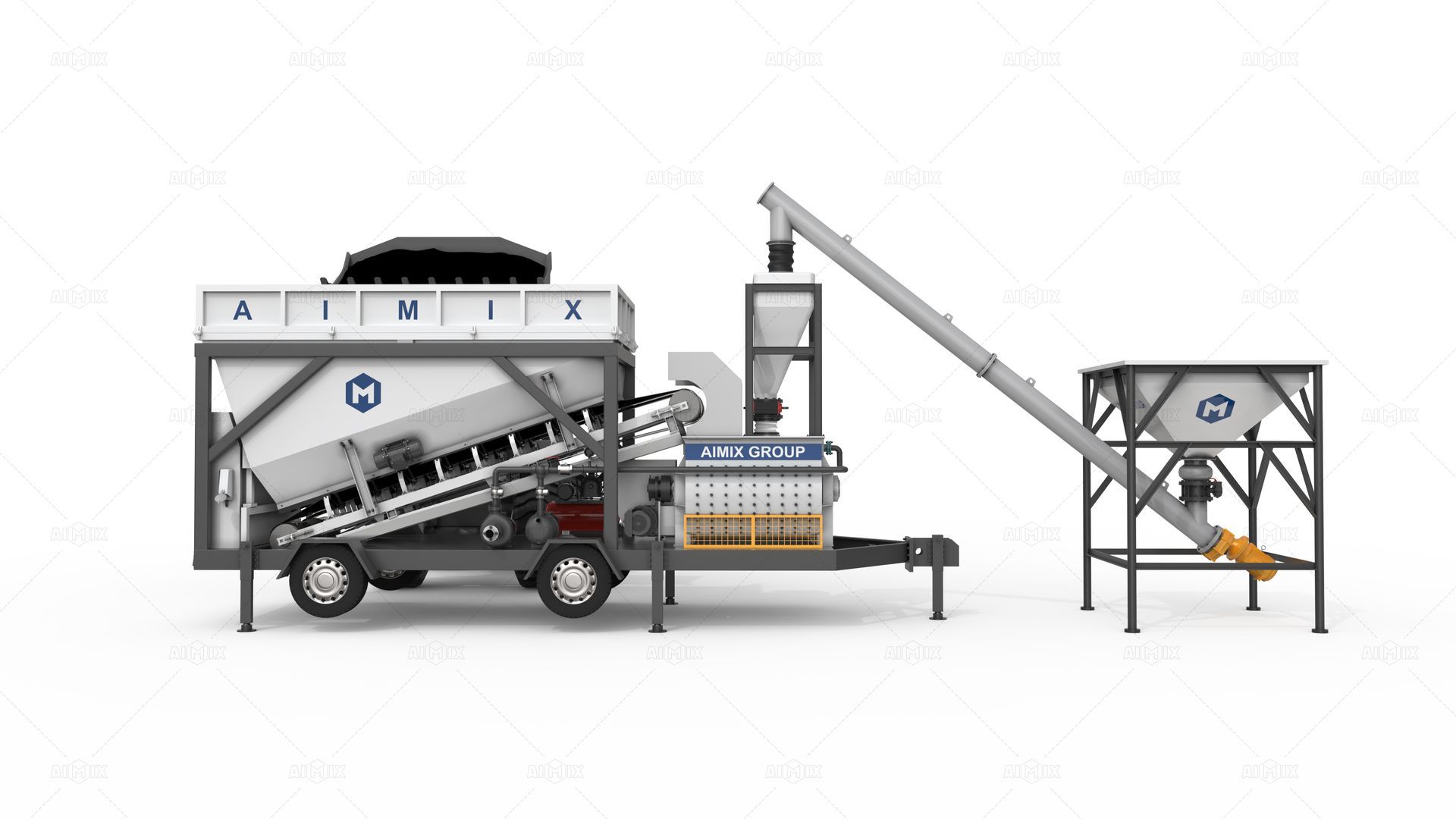
The glossy brochure shows a pristine assembly hall. The sales presentation promises German engineering standards. But the truth of a portable concrete batching plant manufacturer resides not in marketing collateral but in the details visible only during a factory walkthrough. Experienced buyers—those who have previously accepted substandard equipment and suffered the consequences—follow a systematic inspection protocol. They ignore the freshly painted showroom units. Instead, they request access to the fabrication floor, the weld shop, the paint booth, and the spare parts warehouse. They ask specific questions about supplier traceability, quality hold points, and post-shipment support logistics. This investigation documents exactly what those buyers examine and why each observation matters. 1. Fabrication Floor Discipline The fabrication floor reveals the manufacturer's true quality culture. Experienced buyers arrive unannounced, bypassing the executive offices. They observe housekeeping first. Welding rods scattered on the floor indicate poor material control. Grease accumulation around hydraulic assembly stations suggests fluid contamination risks. Empty pallets blocking emergency exits signal safety indifference—a trait that correlates directly with product quality indifference. Buyers specifically examine the fit-up between structural members before welding. Gaps exceeding 3 millimeters indicate either inaccurate laser cutting or assembly shortcuts. Both conditions produce portable plants that develop stress cracks during road transport. One Kenyan buyer recently documented a 12-millimeter gap in a silo support leg during a factory tour. The manufacturer's production manager dismissed the concern. The buyer walked away and later discovered through industry contacts that three units from that factory had experienced leg fractures during overland moves. 1.1 Weld Inspection and Certification Welds on portable plants carry dynamic loads during towing and vibration loads during batching. Experienced buyers request access to the weld inspection records. A manufacturer maintaining a certified welding program will have documentation for each welder: certification level, hours of experience, and periodic test coupon results. Buyers look for welders certified to AWS D1.1 (structural welding code) or an equivalent international standard. The absence of such documentation indicates that any unskilled worker is welding critical structural joints. Visual inspection of welds follows. Acceptable welds exhibit uniform ripples, complete fusion at the toes, and no undercutting along the base metal edges. Poor welds show spatter, porosity (visible as small holes), or inconsistent profiles. Buyers bring a weld gauge to measure fillet weld sizes. A specified 8-millimeter fillet that measures 5 millimeters on the factory floor will measure zero after the first pothole encounter. 1.2 Material Traceability and Storage Steel plate and structural sections arrive at factories with mill certificates documenting chemical composition and mechanical properties. Experienced buyers request to see these certificates for the material batch currently being fabricated. They then walk to the steel storage yard to verify that plates are stored off the ground (on racks or sleepers) and protected from rain. Steel stored directly on muddy ground absorbs moisture, accelerating rust formation before fabrication. Rust-scale inclusions become embedded in the finished plant and initiate corrosion from the inside out. Buyers also examine the bolt bin. Grade 8.8 or 10.9 bolts are required for structural connections on portable concrete plants for sale . Mixed bins containing unmarked or low-grade bolts signal poor inventory control. A manufacturer that cannot segregate bolt grades cannot be trusted to install correct fasteners in critical locations such as axle mounts or kingpin connections. 2. Quality Hold Points and Test Protocols Manufacturers implement quality hold points—specific stages in production where inspection must occur before work proceeds. Experienced buyers ask to see the documented hold point checklist. A sophisticated manufacturer will have at least six hold points: plate cutting verification, subassembly fit-up, welding completion, dimensional inspection, surface preparation, and final assembly. Each hold point requires a sign-off from a quality inspector independent of the production team. Buyers request to review the last three completed hold point records. Incomplete records, missing signatures, or back-dated approvals indicate that the quality system exists only on paper. One Philippine buyer discovered that a manufacturer's "certified" hold point system had no actual inspections for the previous eight months. The quality inspector had been reassigned to shipping, and production workers were signing off their own work. The buyer terminated the contract and sourced elsewhere. 2.1 Full-Load Testing Before Paint The most revealing quality test occurs when the plant operates under load before painting. Experienced buyers require witnessing this test. The plant is assembled in the factory yard, connected to temporary power and water, and run through a complete batching cycle with real aggregates. Buyers observe the weighing accuracy, the mixer amperage draw, and the conveyor tracking. They listen for unusual noises from bearings or gearboxes. They check for hydraulic leaks at every fitting. A plant that passes this pre-paint test is unlikely to fail on site. Conversely, manufacturers who resist pre-paint testing—offering excuses about water availability or aggregate supply—are concealing problems. Paint covers many sins: misaligned conveyors, poorly fitted access doors, and surface cracks in weldments. The buyer who accepts a painted plant without witnessed testing accepts those hidden sins. 2.2 Control Panel Validation The control panel is the plant's nervous system. Experienced buyers open the panel door during the factory visit. They check for wire labeling, bundling, and termination quality. Each wire should have a unique identifying number at both ends. Wires should be routed in bundled looms, not strewn randomly. Terminations should use crimped ferrules, not bare wire twisted under screw terminals. Buyers also check the panel's ingress protection (IP) rating marking. A panel destined for a portable plant—exposed to dust, rain, and washdown—requires at least IP54. A panel marked IP20 (indoor use only) will fail within months. One Nigerian contractor accepted a plant with an IP20 panel despite having specified IP54 in the contract. The panel failed during the first rainy season, costing $18,000 in emergency replacements and lost production. 3. Paint and Corrosion Protection Portable concrete plants live outdoors. They face sun, rain, cement dust, and occasionally salt spray if operating near coastal sites. The paint system determines how many years pass before structural corrosion compromises the plant. Experienced buyers examine the paint booth and ask for the coating specification sheet. A durable system includes three layers: primer (typically epoxy zinc-rich), intermediate (epoxy high-build), and topcoat (polyurethane). Total dry film thickness should exceed 200 microns. Buyers bring a coating thickness gauge to sample random locations on finished units. Measurements below 150 microns indicate that the manufacturer is skimping on material. 3.1 Surface Preparation Standards Paint adhesion depends entirely on surface preparation. Buyers look for evidence of abrasive blasting (sand or shot blasting) to Sa 2.5 standard (near-white metal). This standard requires removal of all mill scale, rust, and contaminants, leaving only a uniform metallic grey surface. Manufacturers who skip blasting—applying primer directly over mill scale—produce concrete plants for sale where paint peels within months. The blast profile matters as well. A surface anchor pattern of 40-75 microns provides mechanical keying for the primer. Buyers request to see the blast profile replica tape measurements. Manufacturers who cannot measure anchor pattern depth are blasting by guesswork, not by specification. 3.2 Touch-Up and Repair Protocols During assembly, welds and bolt holes inevitably damage the factory-applied coating. Experienced buyers ask to see the touch-up process. Proper repair involves cleaning the damaged area, applying primer to bare steel, then applying topcoat. Improper repair involves spraying topcoat directly over unprimed steel. The latter creates a corrosion pathway that undermines the surrounding paint system. Buyers also examine the spare parts package for paint. A manufacturer committed to long-term support will provide a 2-liter kit of matching primer and topcoat with each plant. The absence of touch-up paint suggests that the manufacturer expects the plant to be treated as disposable—a troubling assumption for a capital investment exceeding $150,000.
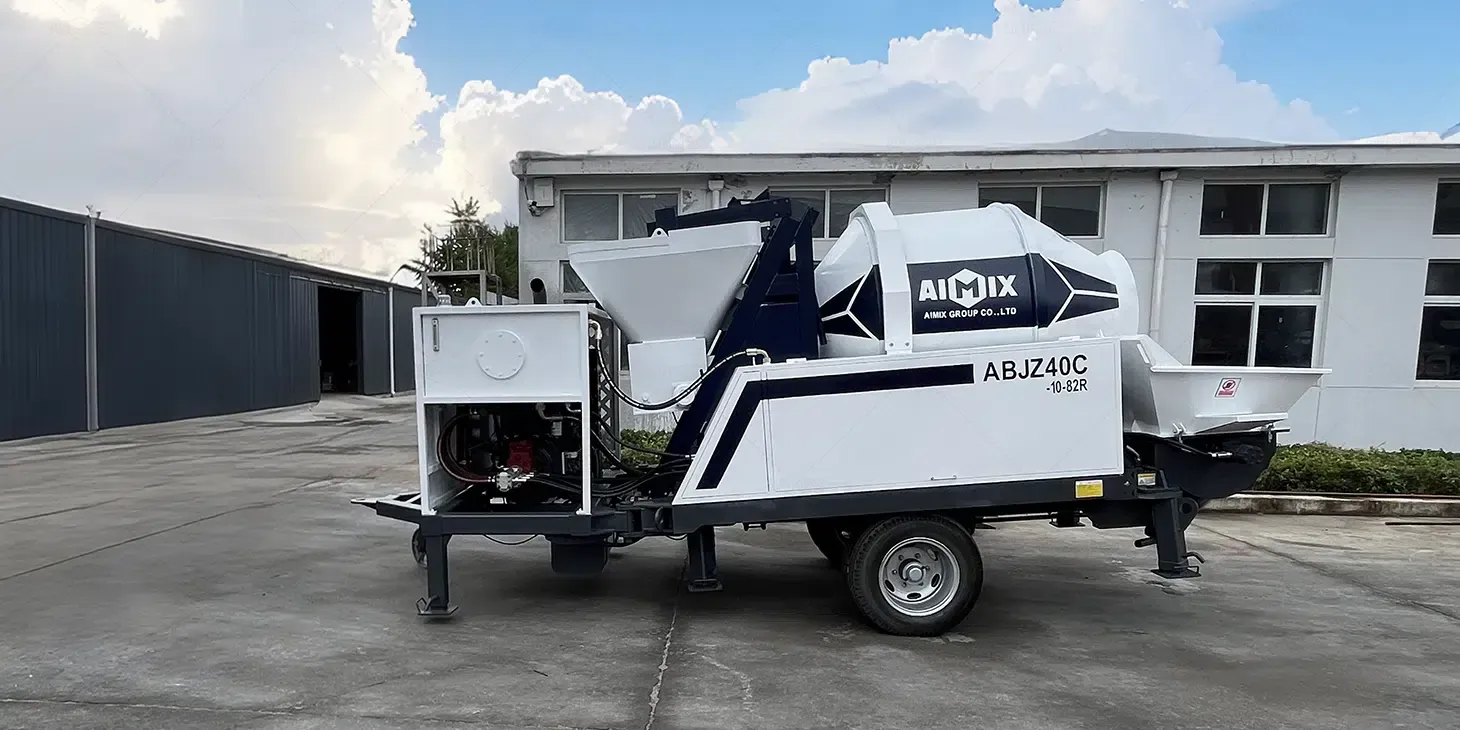
The concrete pump is a marvel of hydraulic engineering. It pushes viscous, abrasive slurry through steel pipes, around corners, and up vertical rises. But every concrete pump with mixer for sale has an Achilles heel: what remains inside when the pour stops. Residual concrete hardens into an immovable plug. That plug increases resistance. The pump works harder. Hydraulic pressures spike. Hoses bulge. Eventually, something gives—a pipe joint separates, a hose bursts, or the pump’s S-valve seizes. These failures are not mechanical defects. They are cleaning failures. This investigation examines the physics of concrete residue, the consequences of inadequate cleaning, and the procedural logic that keeps pipelines clear. The Adhesion Mechanism: Why Concrete Sticks Concrete does not simply dry inside pipes. It hydrates. Cement particles react with water to form calcium silicate hydrate (C-S-H) gel. This gel bonds to steel surfaces at a molecular level. Within two hours, the bond strength exceeds 0.5 megapascals—enough to resist normal water flow. After four hours, removal requires mechanical scraping or high-pressure jetting. After twenty-four hours, the concrete achieves full strength, effectively welding itself to the pipe wall. The adhesion rate accelerates with temperature. At 30°C, the C-S-H gel forms twice as fast as at 20°C. Many pump operators fail to adjust their cleaning schedules for summer conditions. A cleaning interval that works in mild weather becomes inadequate on a hot afternoon. The result is incremental buildup. Each pour leaves a thin layer. Over weeks, the pipe’s effective diameter shrinks. The pump’s output drops. The operator blames the machine. The machine is innocent. 1.1 The Pressure Spike Cascade Clean pipes produce predictable pressure readings. A typical concrete pump mixer operating at 50 meters horizontal distance generates 30 to 45 bar at the cylinder. A pipe with 20% buildup—a reduction from 125mm to 100mm internal diameter—generates 70 to 90 bar. This increase strains every component. The hydraulic system draws more power. The diesel engine lugs. Pipe couplings leak as internal pressures exceed gasket ratings. The danger point arrives when pressure approaches the pump’s relief valve setting. Most pumps are set to relieve at 180 to 200 bar. A dirty pipe can push operating pressure from 45 bar to 150 bar over six months of inadequate cleaning. That leaves only 30 to 50 bar of safety margin. A single sticky batch, a slightly oversized aggregate, or a momentary blockage can spike pressure beyond the relief limit. The result is catastrophic: burst hoses, blown gaskets, or cracked pipe welds. Investigations of pump failures consistently identify chronic under-cleaning as the root cause, not manufacturing defects. 2. Cleaning Methods: Water, Sponges, and Mechanical Scrapers Water flushing alone is insufficient. Turbulent water flow removes loose material but leaves adhered paste. The standard industry practice combines a sponge or pig with water pressure. The sponge travels through the pipe, mechanically wiping the walls. Water provides the driving force. This method removes 90 to 95% of residue when performed immediately after pumping. The critical variable is sponge density. Open-cell foam sponges absorb water but exert minimal wall pressure. Closed-cell polyurethane pigs exert higher pressure, scraping more residue. For pipes with existing buildup, a closed-cell pig is mandatory. Some operators use leather or rubber cups mounted on a central shaft—known as a “pig train”—for aggressive cleaning. These tools exert radial pressure of 2 to 5 bar, sufficient to remove hardened layers. 2.1 Timing Windows and the Two-Hour Rule The cleaning window closes rapidly. Industry data shows that concrete residue removed within 30 minutes of pumping requires 1 minute of flushing per 10 meters of pipe. Residue cleaned at 90 minutes requires 5 minutes per 10 meters. Residue left for 3 hours requires mechanical scraping—adding 30 minutes per 10 meters of labor. Smart contractors enforce a strict two-hour rule: pipelines must be cleaned within two hours of the last concrete discharge. This rule applies even if the pump is scheduled to operate again the same day. Partial cleaning—cleaning only the discharge hose or only the pump’s S-valve—is worse than no cleaning. It gives operators a false sense of security while leaving residue in the main pipeline. That residue builds until the next pour, then accumulates further. A clean pipe is either entirely clean or effectively dirty. 2.2 Visual Inspection Protocols Cleaning verification requires direct observation. Operators should remove a coupling at the pipeline’s midpoint after cleaning and run a finger inside the pipe. A clean pipe leaves no residue on the fingertip. Any gray smear indicates inadequate cleaning. The pipe must be re-cleaned before the next pour. Some contractors use borescopes—flexible cameras inserted through the pipeline—to inspect internal conditions. Borescope inspection reveals thinning pipe walls, corrosion pits, and stubborn residue patches. A $500 borescope pays for itself in the first avoided blockage. One Michigan contractor documented a 60% reduction in pump maintenance costs after implementing weekly borescope inspections, simply by identifying and replacing pipes before they failed catastrophically. 3. The Economics of Preventive Cleaning Cleaning takes time. Time is money. This simple equation drives operators to skip or rush the cleaning process. The math, however, favors thorough cleaning. A complete pump-and-pipe cleaning for a 100-meter run takes 45 minutes. At an operator cost of $50 per hour, the cleaning costs $37.50 per pour. A single blockage requiring manual pipe disassembly and rodding costs 3 to 4 hours of labor—$150 to $200. A pipe replacement costs $300 to $800 plus downtime. A blown hose costs $200 to $500 plus the concrete lost on the ground. Consider the 100-pour project. Cleaning after every pour costs $3,750 in labor. Skipping cleaning every third pour saves $1,250 but risks at least two blockages or failures. Each failure costs more than the savings. The arithmetic is unavoidable. Contractors who treat cleaning as optional are gambling. The house always wins. 3.1 Automated Cleaning Systems Modern concrete pump trucks increasingly feature automated cleaning systems. These systems inject compressed air behind a polyurethane pig, propelling it through the pipeline without water. The advantages are speed—a 100-meter line cleans in 5 minutes versus 45 minutes for water flushing—and reduced water disposal. The disadvantage is cost: $15,000 to $30,000 for the air compressor and control system. The payback calculation depends on project scale. For a contractor running daily pours across multiple sites, automated cleaning saves 40 minutes per cleaning. At 200 pours annually, that saves 133 hours of operator time—$6,650 per year at $50 per hour. The system pays for itself in three to five years. For occasional users, manual cleaning remains economically rational. The critical point is that both methods require discipline. An automated system left unused is just expensive decoration. 3.2 Training and Accountability Equipment does not clean itself. People clean equipment. Yet many contractors provide no formal cleaning training. New operators learn by watching experienced colleagues—who may have learned incorrect methods themselves. This propagation of bad habits explains why cleaning failures persist despite available technology and procedures. Effective training includes classroom instruction on the adhesion mechanism, hands-on demonstration of proper pig insertion and retrieval, and supervised cleaning with verification. Operators should sign a cleaning log after each pour, noting the time of cleaning completion and the result of visual inspection. This log creates accountability. An operator who knows a supervisor will review the log is an operator who cleans properly. When logs show skipped cleanings or incomplete inspections, retraining or reassignment follows. The system is simple. The discipline is hard. But the alternative—dirty pipes, high pressures, and sudden failures—is harder.
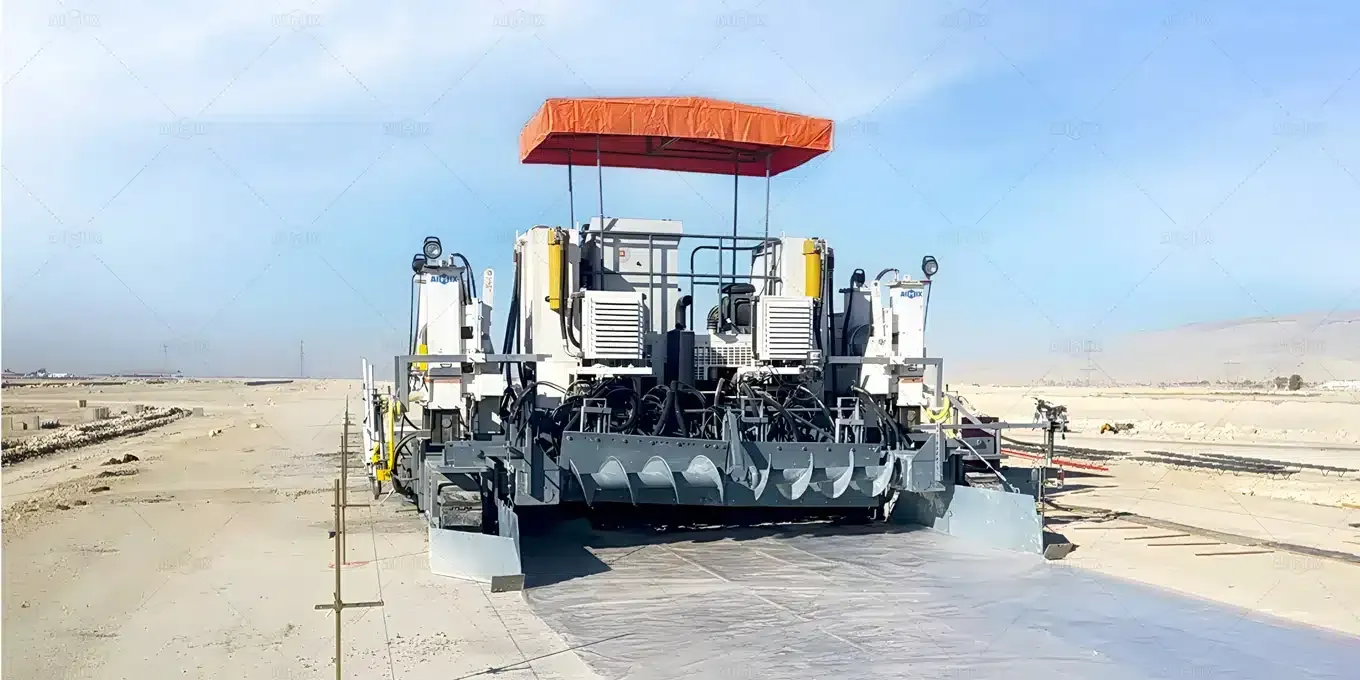
The concrete paver sits silent and cold at the edge of the jobsite. The crew arrives at 6:00 AM. Coffee cups are filled. The engine turns over. The track drives engage. Thirty minutes later, the concrete paver machine stops. A hydraulic hose has burst, spraying fluid across the fresh subgrade. The nearest replacement hose is two hours away. Installation takes another hour. By the time production resumes, the paving window has shrunk. The crew works late, but the scheduled tonnage remains unlaid. A full day of productivity has evaporated. This scene repeats across thousands of jobsites every year. The cause is rarely major component failure. It is the accumulation of small, preventable issues that a structured ten-minute morning inspection would have caught. This article investigates what those inspections cover, why they work, and how one paving contractor reduced unplanned downtime by 73 percent after implementing a standardized pre-start checklist. Fluid Levels and Visual Leak Detection The hydraulic system is the circulatory network of any concrete paver. Low fluid levels indicate a leak. High fluid levels, conversely, suggest contamination—often water or fuel migrating into the reservoir. The morning inspection begins with the dipstick or sight glass. A hydraulic level that dropped overnight means a leak exists somewhere in the system. Tracing that leak requires ten minutes. Replacing a failed hose seal takes thirty minutes. Running the machine dry destroys the pump in seconds. Engine Oil and Coolant Verification Engine oil consumes slowly during normal operation—approximately one liter per 100 hours for a well-maintained diesel. A sudden drop of two liters overnight points to either a gasket failure or a cracked oil pan. Coolant loss follows similar logic. The critical nuance is checking these fluids before the engine warms. Thermal expansion masks low levels. A cold check reveals the truth. One Florida paving crew discovered their radiator had developed a pinhole leak only because their morning inspection showed the overflow tank empty. The pinhole was repaired with epoxy putty in fifteen minutes. Had they started paving, the radiator would have drained completely within an hour, leading to an overheated engine and a three-day repair. Hydraulic Reservoir Breather Inspection The breather cap allows air to enter the hydraulic reservoir as fluid levels drop. A clogged breather creates a vacuum, collapsing the reservoir or starving the pump inlet. The morning inspection includes removing the breather and visually confirming that the internal filter element is not blocked with dust or ice. In desert environments, breathers clog weekly. In winter conditions, frozen condensation seals them shut. A $12 breather element replaced during the inspection prevents a $4,000 pump replacement later. Wear Component Measurement Concrete Paving machines consume wear parts at predictable rates. Conveyor chains stretch. Auger blades erode. Track pads abrade. The morning inspection measures these components against baseline specifications, identifying parts that have reached their service limit before they fail catastrophically. Conveyor Chain Sag Measurement The conveyor chain transports concrete from the hopper to the auger chamber. As the chain stretches, sag increases. Excessive sag allows the chain to contact the conveyor floor, abrading both components. The inspection involves measuring the distance between the chain and the floor at the midpoint of the conveyor using a simple ruler. Acceptable clearance is 10 to 15 millimeters. Clearance below 5 millimeters indicates chain replacement is due within the next twenty operating hours. Replacing a chain preventively takes ninety minutes. Replacing a chain that has broken under load, wrapped around the drive sprocket, and damaged the conveyor floor takes an entire shift. Auger Blade Wear Pattern Analysis Auger blades erode unevenly. The center section wears faster than the ends because it handles more material volume. The inspection requires a wear gauge—a simple metal template matching the original blade profile. When the blade has worn to 40 percent of its original thickness, it must be replaced. Operating beyond this threshold reduces mixing efficiency and creates a center ridge of unmixed concrete that shows up as a longitudinal crack in the finished pavement. The cost of saw-cutting and repairing that crack exceeds the cost of blade replacement by a factor of ten. Track Pad and Drive Sprocket Condition Rubber track pads on concrete pavers wear at variable rates depending on the subgrade material. Pads worn below 15 millimeters of remaining rubber expose the steel backing, which damages the subgrade and transfers vibration to the paver frame. The inspection measures pad thickness at three points across each pad. Variation exceeding 4 millimeters indicates uneven wear caused by misaligned track frames—a condition that requires alignment adjustment before it destroys the drive sprockets. Sprocket tooth inspection follows the same logic. Hooked or asymmetrical teeth indicate imminent track slippage. Control and Safety System Verification Electronic controls govern every function of the modern concrete paver. Sensors monitor material level, steering angle, and paving speed. A failed sensor will trigger an automatic shutdown or, worse, operate silently with incorrect data, producing out-of-spec pavement. The morning inspection verifies control system readiness through a structured power-up sequence. Sensor Plausibility Check The machine's onboard computer performs a self-test when powered on. The operator must read the resulting error codes. A common mistake is clearing the error log without recording the codes. Plausibility errors—where sensors report values outside expected ranges—indicate failed components. For example, a sonic sensor covering the hopper material level should read between 200 and 1,500 millimeters when the hopper is empty. A reading of 4,000 millimeters suggests the sensor has lost power or its mounting bracket has rotated. Correcting the bracket takes two minutes. Paving with a misaligned sensor leads to either hopper overflow or material starvation, both of which stop production. Emergency Stop System Function E-stop buttons are distributed around the paver: one at the operator station, one at each track drive, and one at the hopper. The morning inspection tests each button. The engine must stop within two seconds of activation. Many crews skip this test because it requires restarting the engine afterwards. That laziness has consequences. A paving crew in Texas discovered that their hopper-side E-stop had failed when a worker's glove became caught in the conveyor chain. The button did nothing. The worker lost two fingers. The investigation revealed that the E-stop circuit had been bypassed during a previous repair and never restored. A ten-second test would have prevented a permanent injury. Lighting and Signaling Check Paving operations often extend into twilight hours. The morning inspection verifies all running lights, strobes, and backup alarms. A failed strobe reduces visibility to ground personnel. A failed backup alarm creates a collision risk. Bulb replacements cost five dollars. The cost of a struck worker is incalculable. The morning inspection treats lighting not as a convenience but as a non-negotiable safety system. The Return on Ten Minutes The data supports the ritual. A study of 142 concrete paving crews across five contractors found that crews performing a structured ten-minute morning inspection experienced 2.4 hours of unplanned downtime per month. Crews without an inspection averaged 9.1 hours of unplanned downtime monthly. The difference—6.7 hours—represents nearly a full shift of lost production each month. Multiply by twelve months, and the crew without inspections loses twelve shifts annually. The inspection costs ten minutes. The saving is measured in days. For any paving operation, that arithmetic justifies the clipboard.
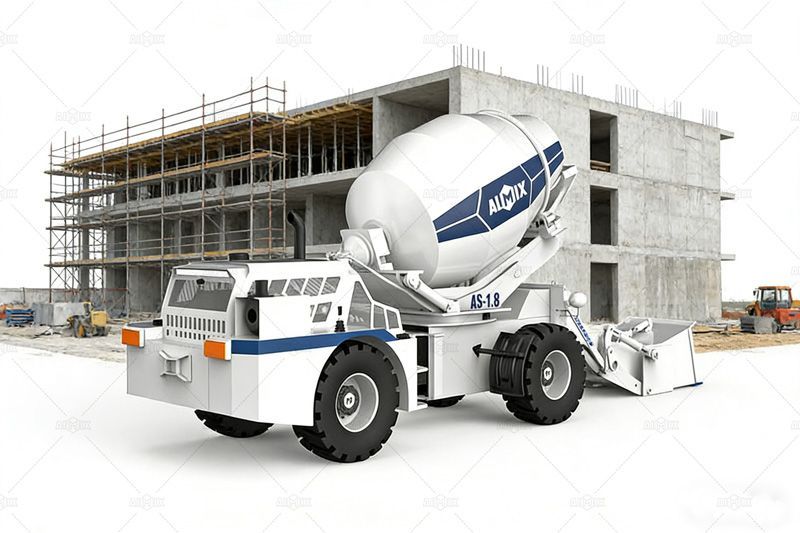
There is a quiet revolution happening on Ghana's construction sites. Forget the image of workers manually shoveling sand, gravel, and cement into a rickety drum mixer. A new machine has rolled onto the scene. It looks like a cross between a tractor and a cement truck. This is the self loading concrete mixer . In Accra, Kumasi, and even in remote towns like Takoradi, savvy entrepreneurs are buying these machines not just to use, but to rent out. They are turning a single piece of yellow steel into a steady stream of income. How exactly are they doing this? The answer lies in a perfect storm of local inefficiencies, a booming real estate sector, and a machine that does the work of five men. Let me walk you through the playbook. The "Mobile Batching Plant" Advantage Let me paint you a picture of the old way. A small contractor needs concrete for a three-story building in a crowded Accra neighborhood. First, he buys sand, gravel, and bags of cement. Then, he hires a team of laborers to mix it on the ground with shovels. Or, he uses a small manual mixer that takes forever. The quality is iffy. The speed is slow. The labor costs add up fast. Now, here is where the entrepreneur spots the gap. He buys a self-loading mixer. This machine has a front-end loader attached to its nose. It scoops up sand and gravel directly from a stockpile. It has a scale to weigh the cement and water. It mixes everything into perfect concrete while driving to the pour site. One machine. One operator. No other helpers. For a contractor, this is magic. It saves them money on labor. It saves them time because the mixer produces concrete three times faster. And it saves them the headache of coordinating a big crew. The entrepreneur rents out the machine with an operator for a daily rate—typically between GHS 800 and GHS 1,500 per day, depending on the project. The math is simple. If the machine costs around $25,000 to $35,000, and it works 20 days a month, it can pay for itself in less than six months. After that, every single cedis is pure profit. But wait, there is more. Unlike a standard truck mixer that needs a batching plant for sale to feed it, this machine is a batching plant. It is a turtle carrying its own shell. The entrepreneur can set up next to a pile of gravel and a pallet of cement on any vacant lot. That means he can serve customers in places where a big ready-mix truck cannot go. Think narrow alleys, hillside developments, or fenced compounds. This "go anywhere" ability is the secret sauce. Contractors pay a premium for it because they hate carrying concrete in wheelbarrows down a long dirt road. The self-loader brings the mix right to the foundation trench. That is the value proposition. The Rental Ecosystem and Trust Factor Now, not every entrepreneur can afford to buy a fleet of these machines. That is fine. The real money is in renting them out, not necessarily using them yourself. The playbook here is what I call the "Equipment as a Service" model. You approach small-scale developers and residential builders. You show them the machine. You let them watch a video of it working. Then, you offer a deal. You will bring the machine to their site, provide a trained operator, and even help them source the raw materials. The builder just has to pay for the concrete produced. This is a massive relief for the builder. They don't have to buy the machine, maintain it, or learn how to use it. They just pay for the output. Building trust is the first step. Ghanaians are smart business people. They are skeptical of new tech. So, the successful entrepreneurs start small. They offer a discounted first day. They invite local foremen to watch the machine load and mix. They point out the precision of the water meter—no more guessing how wet the mix should be. Once the first foundation pour goes perfectly, word of mouth spreads faster than a wildfire in the harmattan. In the construction industry in Ghana, reputation is currency. If your machine helps a builder finish a floor slab in one day instead of three, that builder will tell everyone he knows. Suddenly, your phone is ringing off the hook. You are not selling concrete anymore. You are selling reliability and speed. Overcoming the Challenges (Fuel, Spares, and Operator Skills) Of course, this is not a fairy tale. There are dragons. The first dragon is fuel. These machines run on diesel. Fuel prices in Ghana have been volatile. Smart entrepreneurs bake a fuel surcharge into their rental contracts. They also teach their operators to use the "auto idle" feature. When the machine stops loading, the engine idles down to save fuel. These small habits save liters of fuel each day, which adds up to hundreds of cedis a week. The second dragon is spare parts. A broken hydraulic hose or a cracked mixing blade can shut the machine down for a week. The smart entrepreneur does not rely on the original importer alone. They build a relationship with a local hydraulic repair shop. They stock the common wear parts—belts, filters, and a set of mixing blades. Having a small inventory in a lockup garage means a breakdown that would kill another business becomes just a two-hour repair for them. The third dragon is the operator. A self-loading concrete mixer in Ghana is not a toy. It requires a skilled hand to operate the loader arm smoothly and to reverse the drum correctly. The entrepreneur does not just hire any driver. They hire someone who has mechanic experience. Or, they pay to send a promising young person to training. They treat that operator like a partner. They give them a small bonus for every week the machine has zero downtime. Why? Because a happy, well-paid operator will take care of the machine. He will wash it out every night so concrete doesn't harden inside the drum. He will listen for strange noises from the hydraulic pump. He becomes the guardian of the investment. In the end, the entrepreneurs who succeed in Ghana are not just buying machines. They are buying into a system. A system of smart logistics, local problem-solving, and human relationships. And that system is printing money, one cubic meter of concrete at a time.
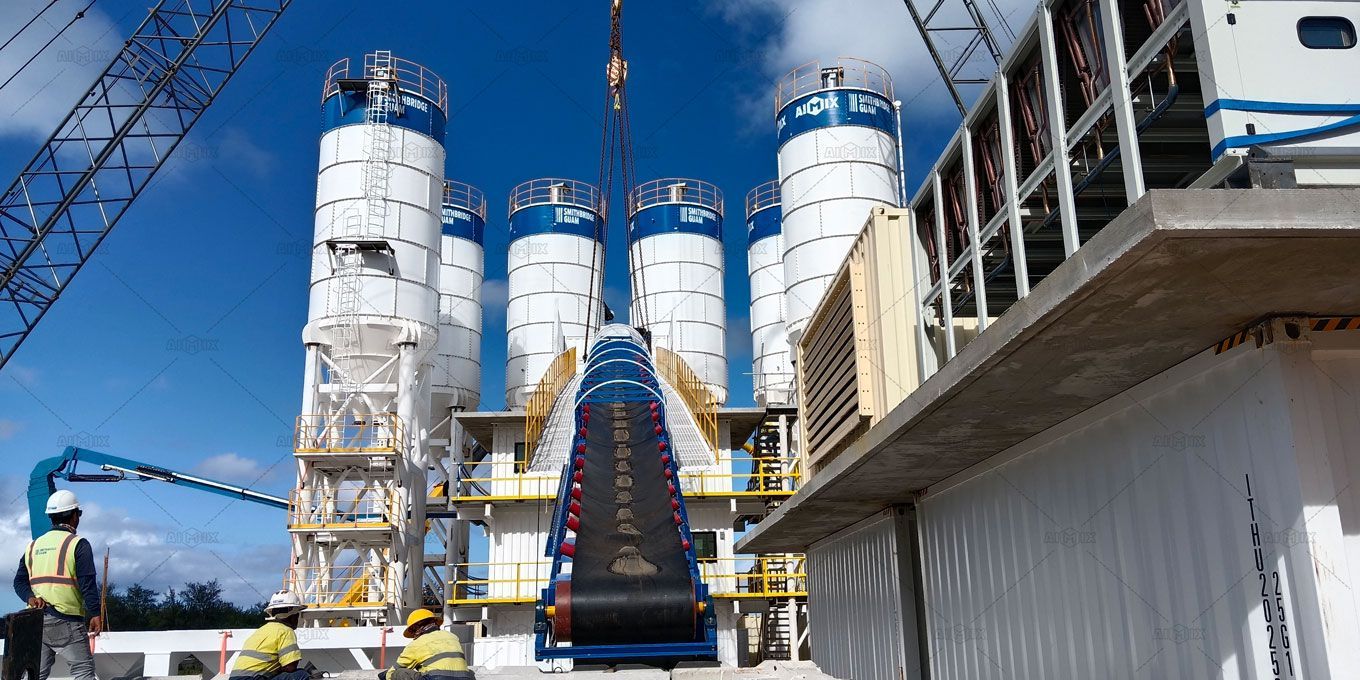
A common assumption among buyers is that concrete batching plant pricing scales linearly with cubic meters per hour. A 120 m³/h plant should cost twice as much as a 60 m³/h plant. This is incorrect. Concrete batching plant suppliers construct prices using a more nuanced matrix where production technology—weighing precision, mixing homogeneity, control logic architecture, and material flow efficiency—often contributes more to the final figure than raw throughput. Two plants with identical rated capacities can differ in price by 40% or more. The variance derives from how each plant achieves its output. This article describes the specific technological differentiators that drive pricing, enabling buyers to evaluate quotes against engineering realities rather than marketing specifications. Weighing Systems: Gravimetric Versus Volumetric Metering The method a plant uses to measure ingredients directly determines material cost control and mix consistency. Suppliers offer two fundamental architectures. Volumetric systems measure by displacement—aggregate fills to a marked line, water flows for a timed duration. Gravimetric systems measure by mass using load cells on each hopper. Gravimetric pricing exceeds volumetric by 25-35% for comparable capacities. The premium reflects the inclusion of stainless steel compression load cells, junction boxes with temperature compensation, and calibration weights traceable to national standards. Cumulative Versus Individual Weighing Within gravimetric systems, a further price bifurcation exists. Cumulative weighing uses a single hopper that sequentially weighs cement, then water, then admixtures. This requires one load cell set but introduces cross-contamination risk and slows batching cycles. Individual weighing deploys separate hoppers—one for cement, one for water, one for each admixture. Each hopper has dedicated load cells and discharge gates. Individual weighing adds approximately $12,000 to $18,000 per additional hopper. Suppliers justify this through reduced material waste (typically 0.8% versus 2.5% for cumulative systems) and faster cycle times (45 seconds versus 70 seconds per batch). Load Cell Accuracy Class C3 class load cells (0.02% linearity error) are standard. C4 class cells (0.01% error) double the sensor cost. Suppliers reserve C4 cells for plants destined for airports, dams, or nuclear containment projects where mix design tolerances are specified at ±1%. A buyer requesting C4 cells without these application requirements pays an unnecessary premium. Conversely, accepting C3 cells for a high-rise residential project where local codes mandate ±1.5% accuracy is acceptable. The supplier's concrete batch plant price will reflect the cell class without explicitly stating it. Request the cell data sheet before comparing quotes. Mixer Configuration: Twin-Shaft, Planetary, or Pan The mixer is the most mechanically complex component of any batching plant. Suppliers price mixers based on three variables: shaft arrangement, liner metallurgy, and drive system topology. Twin-shaft mixers, dominant in ready-mix applications, carry a baseline price. Planetary mixers, which use a central rotating star with multiple mixing arms, add 15-20% due to increased casting complexity and higher torque requirements. Pan mixers, common for precast applications, fall between the two. The price difference is not arbitrary—each design addresses specific material behaviors that capacity alone does not capture. Liner and Blade Material Upcharges Standard mixer liners are abrasion-resistant AR400 steel. For plants processing recycled concrete with embedded rebar or aggregate with high silica content (above 25%), suppliers recommend chromium carbide overlay (CCO) liners. The CCO option adds $7,000 to $15,000 depending on mixer volume. Similarly, mixing blades in standard configuration are cast Ni-Hard (550 BHN). Upgraded blades in Xwin technology (ceramic composite) double the blade price but extend wear life by a factor of 5 to 8 times. Suppliers present these as options, but informed buyers recognize them as conditional necessities based on specific material streams. Drive System Redundancy A single 110kW motor driving the mixer through a gearbox represents the baseline configuration. Suppliers offer dual-motor arrangements—two 55kW motors driving through separate gearboxes connected to a common shaft. This configuration adds 30% to the mixer price. The premium purchases runtime redundancy. If one motor fails, the mixer continues at 50% capacity. For batching plants supplying critical infrastructure where concrete stoppage incurs liquidated damages exceeding $10,000 per hour, this redundancy pays for itself in one avoided incident. For general construction, the additional cost is unnecessary. Control Logic and Automation Architecture Plant pricing diverges significantly at the control system level. Manual push-button panels with relay logic represent the entry tier. Programmable Logic Controllers (PLCs) with human-machine interface (HMI) screens add $8,000 to $15,000. Fully automated systems with recipe management, production reporting, and remote diagnostics add $25,000 to $50,000. Capacity does not drive these figures—a 30 m³/h plant with full automation costs more than a 90 m³/h stationary batching plant with manual controls. Suppliers price automation based on software development effort and hardware certification costs. Sensor Suite and Feedback Loops Basic plants operate open-loop: the PLC sends a signal to open a gate, assumes the gate opened, and proceeds. Advanced plants implement closed-loop control with position feedback sensors on every gate and valve. Each proximity sensor adds $120 to $200 to the bill of materials. A plant with 30 sensors incurs $4,000 to $6,000 in additional hardware costs before software configuration. Suppliers also embed moisture sensors in the aggregate weigh hopper (microwave transmission technology) to adjust water addition automatically. Each moisture probe adds $2,500. The value proposition is reduced slump variation—closed-loop systems maintain slump within ±10mm versus ±30mm for open-loop systems under varying aggregate moisture. Batch Reporting Traceability Regulatory environments differ. A plant supplying to European EN 206 or American ACI 318 standards requires batch ticket printing with timestamp, ingredient weights, and operator identification. Suppliers price this reporting capability separately. Basic reporting stores data locally on an SD card. Advanced reporting transmits each batch via MQTT protocol to cloud servers, generates tamper-evident PDFs, and integrates with contractor management systems. This advanced tier adds $18,000 to $25,000 to plant pricing. Buyers operating outside certified mix design regimes can decline this option without compromising production quality. Pricing Transparency Through Technology Decomposition Capacity serves as a coarse filter for plant pricing. Technology provides the granular detail. A buyer comparing two 100 m³/h quotes should decompose each quote into weighing system class, mixer configuration, and control architecture. A plant with individual gravimetric weighing, twin-shaft mixer with CCO liners, and full PLC automation will legitimately cost 40% more than a plant with cumulative weighing, standard AR400 liners, and manual controls—even at identical capacities. Neither price is incorrect. They serve different operational requirements. Requesting a supplier to price each technological component separately transforms an opaque quote into a transparent engineering decision.
