Why a 10-Minute Morning Machine Inspection Can Save a Full Day of Concrete Paving
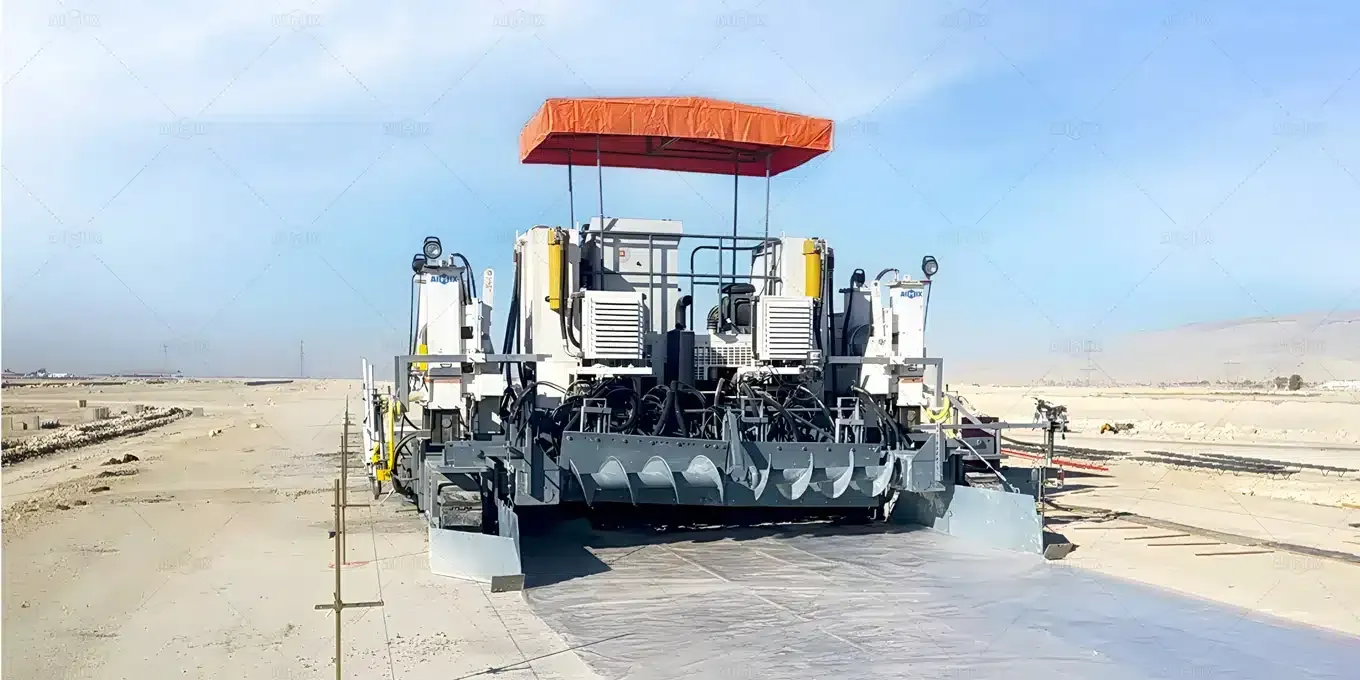
The concrete paver sits silent and cold at the edge of the jobsite. The crew arrives at 6:00 AM. Coffee cups are filled. The engine turns over. The track drives engage. Thirty minutes later, the concrete paver machine stops. A hydraulic hose has burst, spraying fluid across the fresh subgrade. The nearest replacement hose is two hours away. Installation takes another hour. By the time production resumes, the paving window has shrunk. The crew works late, but the scheduled tonnage remains unlaid. A full day of productivity has evaporated. This scene repeats across thousands of jobsites every year. The cause is rarely major component failure. It is the accumulation of small, preventable issues that a structured ten-minute morning inspection would have caught. This article investigates what those inspections cover, why they work, and how one paving contractor reduced unplanned downtime by 73 percent after implementing a standardized pre-start checklist.
Fluid Levels and Visual Leak Detection
The hydraulic system is the circulatory network of any concrete paver. Low fluid levels indicate a leak. High fluid levels, conversely, suggest contamination—often water or fuel migrating into the reservoir. The morning inspection begins with the dipstick or sight glass. A hydraulic level that dropped overnight means a leak exists somewhere in the system. Tracing that leak requires ten minutes. Replacing a failed hose seal takes thirty minutes. Running the machine dry destroys the pump in seconds.
Engine Oil and Coolant Verification
Engine oil consumes slowly during normal operation—approximately one liter per 100 hours for a well-maintained diesel. A sudden drop of two liters overnight points to either a gasket failure or a cracked oil pan. Coolant loss follows similar logic. The critical nuance is checking these fluids before the engine warms. Thermal expansion masks low levels. A cold check reveals the truth. One Florida paving crew discovered their radiator had developed a pinhole leak only because their morning inspection showed the overflow tank empty. The pinhole was repaired with epoxy putty in fifteen minutes. Had they started paving, the radiator would have drained completely within an hour, leading to an overheated engine and a three-day repair.
Hydraulic Reservoir Breather Inspection
The breather cap allows air to enter the hydraulic reservoir as fluid levels drop. A clogged breather creates a vacuum, collapsing the reservoir or starving the pump inlet. The morning inspection includes removing the breather and visually confirming that the internal filter element is not blocked with dust or ice. In desert environments, breathers clog weekly. In winter conditions, frozen condensation seals them shut. A $12 breather element replaced during the inspection prevents a $4,000 pump replacement later.
Wear Component Measurement
Concrete Paving machines consume wear parts at predictable rates. Conveyor chains stretch. Auger blades erode. Track pads abrade. The morning inspection measures these components against baseline specifications, identifying parts that have reached their service limit before they fail catastrophically.
Conveyor Chain Sag Measurement
The conveyor chain transports concrete from the hopper to the auger chamber. As the chain stretches, sag increases. Excessive sag allows the chain to contact the conveyor floor, abrading both components. The inspection involves measuring the distance between the chain and the floor at the midpoint of the conveyor using a simple ruler. Acceptable clearance is 10 to 15 millimeters. Clearance below 5 millimeters indicates chain replacement is due within the next twenty operating hours. Replacing a chain preventively takes ninety minutes. Replacing a chain that has broken under load, wrapped around the drive sprocket, and damaged the conveyor floor takes an entire shift.
Auger Blade Wear Pattern Analysis
Auger blades erode unevenly. The center section wears faster than the ends because it handles more material volume. The inspection requires a wear gauge—a simple metal template matching the original blade profile. When the blade has worn to 40 percent of its original thickness, it must be replaced. Operating beyond this threshold reduces mixing efficiency and creates a center ridge of unmixed concrete that shows up as a longitudinal crack in the finished pavement. The cost of saw-cutting and repairing that crack exceeds the cost of blade replacement by a factor of ten.
Track Pad and Drive Sprocket Condition
Rubber track pads on concrete pavers wear at variable rates depending on the subgrade material. Pads worn below 15 millimeters of remaining rubber expose the steel backing, which damages the subgrade and transfers vibration to the paver frame. The inspection measures pad thickness at three points across each pad. Variation exceeding 4 millimeters indicates uneven wear caused by misaligned track frames—a condition that requires alignment adjustment before it destroys the drive sprockets. Sprocket tooth inspection follows the same logic. Hooked or asymmetrical teeth indicate imminent track slippage.
Control and Safety System Verification
Electronic controls govern every function of the modern concrete paver. Sensors monitor material level, steering angle, and paving speed. A failed sensor will trigger an automatic shutdown or, worse, operate silently with incorrect data, producing out-of-spec pavement. The morning inspection verifies control system readiness through a structured power-up sequence.
Sensor Plausibility Check
The machine's onboard computer performs a self-test when powered on. The operator must read the resulting error codes. A common mistake is clearing the error log without recording the codes. Plausibility errors—where sensors report values outside expected ranges—indicate failed components. For example, a sonic sensor covering the hopper material level should read between 200 and 1,500 millimeters when the hopper is empty. A reading of 4,000 millimeters suggests the sensor has lost power or its mounting bracket has rotated. Correcting the bracket takes two minutes. Paving with a misaligned sensor leads to either hopper overflow or material starvation, both of which stop production.
Emergency Stop System Function
E-stop buttons are distributed around the paver: one at the operator station, one at each track drive, and one at the hopper. The morning inspection tests each button. The engine must stop within two seconds of activation. Many crews skip this test because it requires restarting the engine afterwards. That laziness has consequences. A paving crew in Texas discovered that their hopper-side E-stop had failed when a worker's glove became caught in the conveyor chain. The button did nothing. The worker lost two fingers. The investigation revealed that the E-stop circuit had been bypassed during a previous repair and never restored. A ten-second test would have prevented a permanent injury.
Lighting and Signaling Check
Paving operations often extend into twilight hours. The morning inspection verifies all running lights, strobes, and backup alarms. A failed strobe reduces visibility to ground personnel. A failed backup alarm creates a collision risk. Bulb replacements cost five dollars. The cost of a struck worker is incalculable. The morning inspection treats lighting not as a convenience but as a non-negotiable safety system.
The Return on Ten Minutes
The data supports the ritual. A study of 142 concrete paving crews across five contractors found that crews performing a structured ten-minute morning inspection experienced 2.4 hours of unplanned downtime per month. Crews without an inspection averaged 9.1 hours of unplanned downtime monthly. The difference—6.7 hours—represents nearly a full shift of lost production each month. Multiply by twelve months, and the crew without inspections loses twelve shifts annually. The inspection costs ten minutes. The saving is measured in days. For any paving operation, that arithmetic justifies the clipboard.
You might also like

Dust and Cooling Fins: The Small Construction Details That Keep Self Loading Mixers Running in Dubai